At F4BM, keeping abreast with the latest news and insights is fundamental to our business. It not only allows us to share knowledge, flag current and upcoming trends with our clients, plus profile the latest techniques, technologies and tendencies, but also to ensure that they are continually staying informed, updated, relevant and on top and ahead of their game.
In a fastmoving mercurial world current market trends, innovations, strategies and technologies are forever evolving at unprecedented rates and lightning speed. So it is imperative that we keep our clients ‘on the ball’, up to speed and at the forefront of marketing, profiling and promoting their businesses, sectors and industries to their target markets and customers via the most relevant, suitable, cost-effective and results-generating channels.
By delivering information on innovations, trends and enhancements, through our knowledge and news sharing, we in turn nurture, enhance, evolve and broaden their marketing, business awareness, activities, approaches and messages as well as the magnitude of their impact and outcomes.
Check out our latest news, updates, tips and tools to attract new customers and keep your business up to speed, powered and clients informed, engaged and connected.
CONTENT CALENDARS
VITAL + KEY FOR
ORGANISING, MAPPING AND TRACKING
YOUR COMPANY’S MARKETING PERFORMANCE
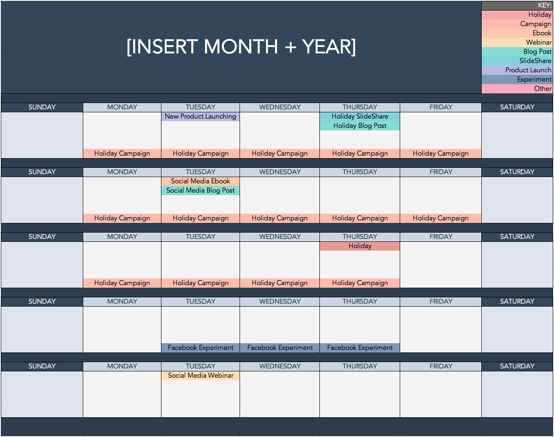
Content calendars are a key component for recording, tracking and measuring ALL marketing activities across an organisation – from sole traders, SMEs to medium, large entities and multinational companies. Their purpose is to keep stakeholders organised and accountable for their marketing initiatives, objectives and responsibilities across the entire business.
They are also vital in providing a snap shot of all individual and combined marketing activities. Plus, they provide valuable feedback on who is engaging with and reacting to your content and when.
What Is A Content Marketing Calendar?
A content marketing calendar is a living document that maps out all the marketing activities across an organisation. Its purpose is to keep stakeholders organised and accountable to their marketing responsibilities, both current and in the future, while documenting the details and timing of what has been accomplished in the past. In turn, this provides for the measuring and analysing of each campaign and marketing initiative that is included in the calendar, thereby delivering vital and key information as to what marketing and messaging is working and that which is not.
Why do marketing plans fall short of expectations? More often than not, it’s because they are never fully implemented. Issues arise, time becomes limited and priorities shift. When the going gets tough, marketing initiatives have a tendency to slide to the bottom of the priority list — or they get forgotten altogether. Over time, a lack of marketing implementation adds up and has unintended consequences for your business. So, how do you prevent this lack of implementation?
To avoid this all-too-common situation, you need to map your marketing plan over to a content marketing calendar. When you make your tactics more tangible and visible, then it’s far easier to hold people accountable for them, including yourself if you are a sole trader. Plus, to also measure, ascertain and determine what communications/marketing initiatives are working and those that are not.
There are major benefits of using a content marketing calendar as a key resource for you and/or your team. But first, let’s simply begin by defining “what exactly is a content marketing calendar?”
Content Marketing Calendar Defined
A content marketing calendar is a living document that maps out all the marketing activities across a business or an organisation. Its purpose is to keep stakeholders organised and accountable to their marketing responsibilities in both real time and in the future, while documenting the details and timing of what has been accomplished in the past.
Ultimately, it is a resource to keep a company’s marketing plan active, live and moving forward in the right direction.
So, let’s look at a few of the benefits of having a content marketing calendar.
5 MAJOR BENEFITS OF USING A CONTENT MARKETING CALENDAR
BENEFIT 1: DEADLINES and EXPECTATIONS SOLIDIFIED
The most obvious benefit of having an active content marketing calendar is being able to plan and track upcoming marketing initiatives. When you assign tasks and deadlines to specific people, there is no room for surprises, making it much easier to drive your marketing plan forward.
For example, you should schedule blog posts and articles a month or more in advance, providing thought leaders in your company with ample time to produce their content, even with all their competing priorities. The deadlines are visible and expectations are clear. With a little practice and encouragement, what needs to be written will be written.
A content marketing calendar also makes it easy to see when there are too many overlapping deadlines. Is the same person responsible for writing a new premium piece of content, presenting a webinar and filming an interview for a partner organisation in the same week? Your content marketing calendar will expose these scheduling conflicts early in the process and allow you and your team to make the appropriate adjustments.
To get your started, check out and download Hubspot’s Content Calendar and Social Media Calendar that are completely customisable for each of your platforms and provide great examples as to how to plan, organise, track/measure and compare your marketing campaigns, promotions and content engagement.
BENEFIT 2: OWNERSHIP CLARIFIED
A well-organised content marketing calendar clarifies who is responsible for each marketing initiative. We recommend that you assign one person to manage the content marketing calendar itself, keeping it up to date, maintaining its structure, and ensuring that deadlines are not missed. This person will have all the answers when questions about deadlines arise.
Of course, the calendar should be readily available to all. It should identify who is responsible for delivering each part of the plan, and when.
BENEFIT 3: MESSAGING ORGANISED
Another benefit of a content marketing calendar is related to the management, visibility and flow of your company’s messaging. A content marketing calendar should get very specific.
For example, your calendar might include:
- Titles of executive guides or e-books
- Titles of blog posts, latest news and events
- Titles of webinars and presentations
- Details of paid advertising campaigns
- Subject lines of upcoming email marketing campaigns
- Social media posts: which channel/medium and when (date/time)
By documenting what message will be in the marketplace when, and through what marketing channel, you make it easy for an entire team to keep on track and be productive.
Don’t delete old activities. As you build out the next phase of your content marketing calendar, it’s helpful to refer back to past campaigns, assignments and timing. Looking back at past marketing activities can help you choose the best times to push different products/services and messages.
BENEFIT 4: THE MARKETING BUDGET TRACKED
Most marketing budgets are fixed early in the year. You may want to add your budget to your content marketing calendar in a column away from the actual content details. While your marketing calendar is not a budget spreadsheet, you may find it helpful to list costs and resource time allocated for each marketing activity, so you can quickly track your budget versus expenses.
Bringing extra visibility to your firm’s marketing budget prevents team members from falling into common budgeting traps. For instance, your team won’t arbitrarily underspend during the year, opening the possibility for a frantic spend down come planning season. Clarity will reign because the marketing budget will be attached to each activity.
BENEFIT 5: THE BIG PICTURE REALISED
Once assembled, your content marketing calendar will paint a full picture of your marketing activity over the next month or more. Everyone on your team can see how their individual marketing efforts work together. You will be able to see when a particular blog post topic can support an upcoming speaking engagement or when to post as well as schedule – including paid advertising – and market around an upcoming event.
Your calendar also allows your company to plan according to seasonality, special holidays and vacation periods. Listing holidays on your calendar lets you see at a glance when you should deliver any holiday promotions or messaging.
Who Uses the Content Marketing Calendar?
No tracking resource is effective without clearly defined expectations on who is responsible for updating it (you may need more than one person to update your content marketing calendar depending on its level of detail). And the same can be said about access. A content marketing calendar will not be effective if key stakeholders do not know how to access the document.
How might this look in practice? When it comes to maintenance responsibilities, there may be one, two or multiple team members who are responsible for updating and reporting on various marketing techniques. For example, there could be one person who is responsible for updating the content marketing calendar with all data related to their company’s webinars while another person is responsible for all matters related to their blog.
Once team members understand who is responsible for updating the content marketing calendar, a consistent rhythm where progress through the content marketing calendar is reviewed needs to be set. The more frequently the calendar is reviewed by the team, the more adaptable, flexible, and productive the team will become.
Finally, it is essential that the content marketing calendar be accessible to leaders in the organisation. This is not a document that should be saved on someone’s desktop! Ongoing access to the ‘most up-to-date version’ of the content marketing calendar is a must.
Getting Started
A centralised content marketing calendar supports your stakeholders and drives your marketing plan forward. Before you start building out your calendar, you must have a strategic marketing plan to guide you with both direction and execution. The best marketing plans are grounded in research and describe the messages, frequency, effort level, and resources you will allocate to different marketing techniques.
A marketing calendar weaves your marketing plan together into a practical implementation program, laying down who does what, deadlines, what topics will be covered and expected results. With a marketing calendar working for your company/firm, lack of implementation should be the last thing that kills your marketing plan.
Creation, implementation and monitoring of it will allow you to track, analyse and determine what is working and what is not. Plus, it will allow you to make any tweaks, changes and modifications along the way, if and when required.
Need help and guidance with creating and developing your plan? And/or executing, tracking and measuring it?
Reach out to us now and we’ll ‘get the ball rolling’ immediately!
CONTACT US
*Source references: Hinge

CONTENT MARKETING METRICS
KEY TO MEASURING STRATEGY SUCCESS
The key to successful Content Marketing lies in the ability to track and measure return on your investment in terms of both time and money.
One integral way to do this is by creating and implementing a content marketing strategy. But what exactly is it? How do you go about its creation and implementation?
Content marketing is a type of marketing where you create and share online content in order to drive and spread awareness about what you do as well as create interest in engaging with and purchasing from your company or organisation. It also allows you to raise and promote your business’s profile, brand reputation and attract new business.
Now more than ever, businesses across the board, should be moving to adopt, integrate and develop a content marketing strategy as part of their broader marketing agenda.
Content marketing works pretty much in the same vein as how salespeople interact with potential customers multiple times, but more efficiently. When the potential customer is ready to be an actual customer, your business is top-of-mind. By creating content in different forms/formats such as blogs, videos or social media posts, you in turn can position your business as the ‘go-to-expert’ in your field. Essentially, you become the brand people find and think of when they have a problem they want to solve.
However, content marketing also works in another important way. As a consumer, what do you do when you have a problem? If you are like the vast majority of people, you go to Google and launch a search to find out how to fix it. Even if you may not know how to communicate what is wrong, Google however magically knows and directs you to answers you need.
When you engage in content marketing, your company/business becomes the answer that your potential customer is searching for. But does it work? According to the Content Marketing Institute, content marketing leaders experience nearly eight times more site traffic than non-leaders. Not quite yet convinced? According to Demand Metrics, content marketing costs 62% less than outbound marketing and generates three times as many leads.
Content Marketing Success Metrics
Content marketing is essential for businesses but the reality is that it takes time and energy to plan and successfully incorporate into a business as well as resources to execute, track and measure it. Plus, you will also need to become familiar with content marketing metrics. These numbers will enable to determine if your marketing/content is making an impact as is, if tweaks to your approach are needed or if you should abandon it altogether and look for an alternative.
Nonetheless, amongst all those hundreds of specific metrics out there to help you determine whether or not your marketing efforts are making enough impact to justify the costs, there are however a handful that are essential. By incorporating the following stats into your content marketing metrics dashboard and reports, you will gain greater understanding of your performance and effectiveness.
1. Traffic Sources
While it is wonderful to discover that people are consuming your content, you wonder about how they found out about it. A truly successful content marketing plan is key to attracting new potential customers through engaging, thought-provoking content. However, you may also be creating more engagement with past customers or ‘on-the-fence’ potential customers.
Either way, it is important to know how readers made their way to your content. And one of the most important ways to do this is to identify traffic sources to your website or blog by using a platform such as Google Analytics.
2. Impressions
How is your content doing? Is Google recognising that you/your business is the ‘answer, to the searcher’s problems? Using Google Search Console you can then determine how many impressions your content received. The more impressions, the more people you have reached.
Impressions or views of your content is important. However, without acknowledging your CTR/click through rate, you won’t be able to fully understand whether or not your content is and/or making an impact.
3. Click Through Rate (CTR)
More people may be viewing or consuming your content but is it:
- Moving them to action?
- Are they visiting your website?
- Are they using it?
- Are they learning more about your products?
Understanding your click-through rate provides this insight.
4. Content Shares and Backlinks
You are putting out good content (hopefully! as that is the objective). But is it good enough to share? The true test of your content is whether or not other people find it useful or interesting enough to share with their own audiences. The bonus is, the more your content is shared, the more Google sees it as the ‘solution’ and hence shows it to more people. If you are posting on social media, shares are easy to determine. If you are looking at blog content, you can use a tool such as BuzzSumo or Ahrefs.
5. Email Opt-In Rates
Click-through rates are extremely important to know if your readers are in fact taking action on your content by visiting your website to view and consume it. However, if they don’t, are they giving you the opportunity to capture their information and connect with them in the future? When your content marketing is performing well and truly doing its job, readers will be comfortable sharing their contact information with you, indicating they are eager to hear more of what you have to say, and potentially purchase your product and service in the future.
Hence, your email marketing software (such as Mailchimp, Campaign Monitor, etc.) is the one that can provide you with this metric.
6. Bounce Rate
Ideally, once people land on your website, they will take the time to explore, digest some of your content, engage and buy. Sometimes though, you will see a high bounce rate because people have navigated away from your website immediately after they were directed there. This could be due to slow-loading, a poor user experience or different content than they expected. It’s important to know your bounce rate and then understand what’s causing it. This helps you avoid putting all the time and effort into creating quality content, only to find that something on your website is turning off potential customers.
7. Key Rankings
A big part of content marketing is selecting the right keywords for your desired audience. Ultimately, the question is “what are your potential customers searching for on Google?” Once you have figured that out – and if you can’t we can certainly assist you in doing so – you can create and incorporate those words into your content and ideally, be found more easily. Be aware that keywords change over time so you will need to make sure that you are being successful in your endeavours. You can do this by reviewing key word rankings using SEMRush or Google Search Console and tweak your keywords or your content when it’s not performing well.
8. Content Marketing Dashboard
If you are looking to keep metrics and data organised, we suggest you consider creating a content marketing dashboard* (similar to this one) to update visuals of the key metrics you want your team to track. When content marketers are clear on their goals, they are in a better position to meet and exceed them.
The ideal content marketing metrics you use will be determined by what your goals are with your content marketing strategy. If you are looking to increase brand awareness, you will utilise different metrics than if your primary goal is to increase engagement and sales of a specific product, service or increase attendance at your next event. These different metrics outlined above will certainly provide you with what you need to know to ensure you have the right ones in place to measure your marketing performance and outcomes.
CONTACT US NOW
*Source references: Hubspot
WHAT EXACTLY IS VIDEO SEO?
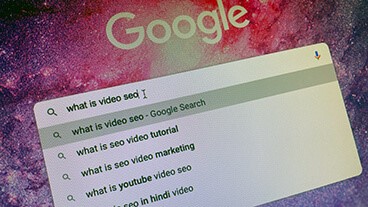
Video is an excellent component of any business’s digital marketing strategy and activities. But what many businesses overlook, ignore or undervalue is the SEO potential for that video.
If optimised correctly, video SEO (VSEO) can be an extremely powerful form of content and supercharge your overall SEO strategy, in more ways than one.
To increase the ranking of your website on Google, it’s critical to optimize your content strategically. The goal is to help search engine bots crawl your content, understand it and index the data to match relevant search queries.
The stronger SEO juice you create, the higher your content will rank, allowing people to discover your website and increase your traffic.
When it comes to video SEO, the same rules apply and should be given the same SEO focus and attention as that of a product page or blog post. Video SEO is simply optimising your video to be indexed and ranked on the search engine results pages for relevant keyword searches.
But video SEO differs from regular SEO because Google cannot “watch” video. Whilst Google are fairly generous about ranking videos in the Google video tab, it’s fussy when it comes to ranking your business within universal search.
To better help the bots understand your video and rank it in relation to organic search terms, here are some useful strategies you can instantly execute:
1. Video Hosting
Whether you upload videos to You Tube or Vimeo and embed links into your website or use one of the many video platforms such as WISTIA or VIDYARD to ‘self-host’ videos on your website, it all boils down to why you want to rank: brand awareness or actual conversions?
If you are wanting to raise the profile of your business, You Tube is a free and easy option. As a search engine with millions of users, creating quality content that searchers are looking for, means your brand can reach a new audience, who will – hopefully – delve deeper via your website. Plus, high ranking You Tube videos do help with ranking on Google.
While Vimeo offers little of the benefits of You Tube from a search ability perspective, it does however enable a secure hosting platform that is ad free. If, however, you are looking to use video to specifically generate site traffic through search engines and drive leads and conversions, then self-hosting – such as WISTIA – is a wiser option.
This will give you the ability to use SEO tools for better results and SEO in general.
If your goal is to encourage a conversion event – like a sign-up, subscription, or a share – then you want to drive viewers to your site to watch your video. That is where video SEO can be a valuable tool.
2. Keyword Research
Before you upload videos (or even make them) it’s important to do video-related keyword research. This will help you identify what audiences/customers are searching for and what you want to rank for.
It also shows what other videos are out there and whether you can create content that can improve the audience questions and experience and will enable you to better compete.
3. Relevant Titles & Descriptions
Use keywords in titles and meta descriptions to improve your chances of getting noticed by bots.
It’s equally important not to keyword stuff or Google will penalise you. Always remember to write for people and include user-friendly language. Ask yourself, what terms will humans most likely search for?
4. Optimise Your Video Page For SEO
It’s likely your video will sit on a webpage with other content. The easiest way for your video to rank is to ensure the page itself is fully optimised. This includes keyword-relevant titles, descriptions and relevant page copy throughout, internal and external links, photo names and alt tags.
Plus, the page should also be relevant to your video: without this the video will rank poorly.

5. Thumbnails
A thumbnail is a small image that visually summarises what your video is about. It’s the image that will sit on your website “on top” of your video and also what will be shown in Google’s search results.
Thumbnails are key to winning over both users and Google.
Google cannot directly “see” your thumbnail but thumbnails are proven to increase play rates which in turn shows Google that your video is worthy of ranking.
Custom human thumbnails get 30% better play rates than videos without. Wistia
Thumbnails should include a descriptive title (different to the name of the video) and an attention-grabbing image. Getting a human face in (if your video includes humans) is even better.
Take specific images during your video shoot and then create a fancy template in Canva:
- Be colourful and attention grabbing but keep it clear, bold, and simple. And make sure to be consistent with the rest of your branding.
- Avoid clickbait imagery and headlines that you can’t deliver on
- Including a face is a good way to connect with viewers as it makes your more relatable, trustworthy, personable and human
- A play button to your image works as a clear call to action – such as Watch Me!
- Use short and direct text plus highlight relevant keywords.
6. Transcription
On many video platforms you will have the ability to upload a transcript – that is, a written document of the video’s audio.
A transcript is a document that repeats the audio content of a video into text form and gives a platform for bots to crawl and understand what your content is about.
And a good way to achieve this is to include a text description of the video, or even a full transcript.

7. Single Videos
Google typically ranks just one video per page, so if you have multiple videos ensure the most important – and relevant – is first.
From a user perspective put the video above the fold, which in turn will encourage more plays and a more favourable result for Google bots.
Positioning the video towards the top and making it large will indicate to a visitor that the video is the focus of the page and not just an afterthought.
8. Rich Snippets
Another way to use video for SEO is to try and get GOOGLE to use your video and description as a rich snippet. This is when Google displays information about a video, letting searchers know that, should they click through to your website, a video is ready for them.
Video-rich snippets help you stand out from the page 1 search results giving you a better chance of a click and traffic to your website. And having a stand out thumbnail that summarises the content of your video is even better to maximise the clicks.
To be in with a chance of a featured snippet, you’ll need to self-host your video ensuring you get the Google boost rather than Vimeo or You Tube.
Once you’ve embedded your video, you’ll need to let Google know by adding the required Schema.org code to your page and submitting an XML sitemap within Google’s Search Console.
And if you are already ranking for any high-volume keywords, it is well worth the effort, as the increase in conversions should bring significantly more traffic to your site.

9. Video XML Sitemap
A video-specific XML sitemap that contains data about all the videos hosted on your site should also be maintained.
Google provides a comprehensive guide on how to do this, but the key things to include are:
- Title
- Description
- Play page URL
- Thumbnail URL
- Raw video file URL and/or the video player URL
Be sure to submit your video sitemap in Search Console, and check that it has been indexed correctly.
10. Cross Promote
Don’t rely on Google alone to help with ranking. Instead use your circle of influence to get more eyeballs (which in turn helps SEO). Whilst social signals are not a direct ranking factor, posting to your social media channels will help get your video in front of people who may then link to it.
And one other option to consider is paid ads on key social networks to drive traffic to your video.
Not sure where to start, what content to create or how to plan and execute video?
Seeking help with your SEO video content and organising the shoot?
Let us manager the entire project
We will select and collaborate with video experts
to help you work it all out and deliver!
CONTACT US NOW
Content source: Itchy Feet Digital
(Credit sommerstudio | Apr 19, 2021 | Uncategorized, Video Marketing, Video Production Tips)
MAJOR EMERGING EVENT INDUSTRY TRENDS TO WATCH OUT FOR
2022 – 2024
SET TO DETERMINE + EVOLVE THE WAY WE
INTERACT => NETWORK => CONNECT
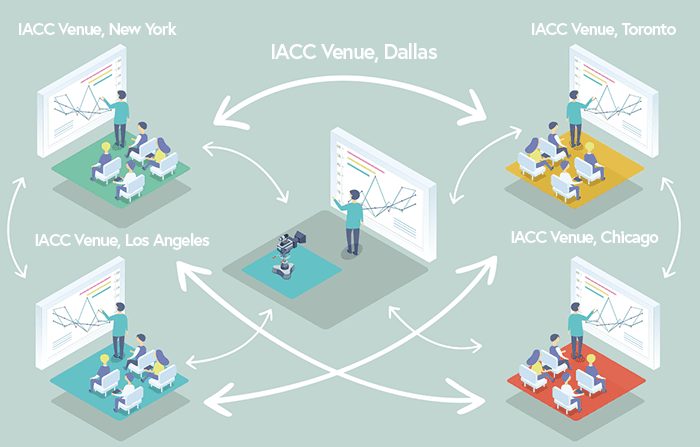
Covid-19 generated a significant impact on events – as well as their evolution – throughout 2020 and 2021 by accelerating unprecedented rapid transition, transformation and adaptability across the industry. In this process our networking norms also advanced by finding new platforms for us to interact, communicate and exchange in a safe virtual environment.
So what does this legacy mean and the future ahead look like for conferences, meetings and events?
In a nutshell, it appears to be panning out as follows:
- Hybrid Events Continue To Grow
- Events Become Important PR Tools
- Micro Events Become An Event Staple
- Events Enter ‘A Year- Round Event Cycle’
- Professionals Will Use Events To Help Them Upskill
- Renewed Emphasis of Physical and Virtual Safety (virus free)
- Event Apps plus More Data Collection During and After Events
- Increasing Investments in Events Technology + Analysis
- AI for both Event Organisation + Analysis
- Shift To Outdoor Events
The pandemic certainly necessitated and ushered in rapid and sweeping ‘lightning bolt’ changes in the event industry but it has now come through and is finding its footing again by creating new value virtually.
Throughout 2022 the focus for events will remain on health and safety of attendees. And event tech it seems will mostly likely continue to proliferate in 2022 and beyond.
So keep an eye out on the evolution of these transformative event trends this year. And see how the industry is now finding its footing again by creating new value virtually.
Event tech will undoubtedly continue to proliferate throughout this year and beyond. Whether events happen online, offline – or in a hybrid model – they will not only remain flexible, prioritize safety and emphasize meaning but will most likely become the norm.
Summary
The pandemic necessitated and propelled rapid and unprecedented changes in the event industry, which is now finding its footing again by creating new value virtually. This list of transformative event trends provides both a broad overview and guideline – as well as foresight as to what lies ahead and reflection on what you need to do – and how – to successfully transition to an online arena and hybrid options where you can extend your presence to be both seen and heard. No doubt event tech will most likely continue to evolve and proliferate in 2022 and beyond.
While hybrid events – either meetings or events that feature at least one group of in-person/face-to-face attendees connecting virtually with other meeting attendees – have been around for a number of years their importance will continue to grow both now and beyond the COVID-19 pandemic.
And whether they happen online, offline – or in a hybrid form – events that remain flexible, prioritize safety, and emphasize meaning will most likely become the norm for the time being as well as in the months ahead.

TOP 20 MARKETING DO’S AND DON’TS FOR 2022
WHAT YOU NEED TO KNOW
2022 brings significant change in the marketing and communications dynamic. Firstly, Google announced that it would end support to third-party cookies in their Chrome browser. Given that Chrome is the most popular browser, accounting for almost 70% of all market share this in itself is a big deal.
Two major events – one upcoming and the other the pandemic – will continue to have notable and tremendous impact on shaping our habits as digital has now become ‘the new norm’ to do many things. Even when the pandemic is over, consumer habits will remain.
What we can be certain is that:
- Digital marketing will become even more critical
- Content marketing will become more important
- Direct-to-Consumer (D2C) marketing will take the lead
- Brands will need to learn about their consumers without relying on second or third-party data
Businesses should also start looking at customer retention more proactively. Currently, most are still looking at new acquisitions; however, with the competition in the digital space becoming more and more fierce, customer retention has never been more important.
Death of the Cookie
Google announced that it would end cookie tracking in early 2022. So what does this mean for your business?
Simple. It is pretty bad news for some and it will require some drastic changes.
Tracking users across the web is essential to many advertisers and businesses. However, user privacy concerns have become more important to more and more internet users. It came at a time of the implementation of GDPR which made consumers much more aware of their online privacy. There already is an option for consumers to opt-out of third-party cookies and tracking but digital advertisers are looking for ways to change their tactics.
Many are starting to implement first-party data or even zero-party data collection to gather information about consumers and provide relevant advertising to facilitate sales online.
Zero-party data has been gaining more and more momentum. In brief, it’s data that is given directly by the consumer to a brand. It can be done via a survey, gamification or simple consumer/brand interaction online.
Now is also the ideal time to look into boosting your CRM tools as such data will become crucial once cookie tracking is no longer in place.
BUT DON’T DESPAIR IF YOU HAVEN’T YET!
To help you out in the meantime here are some useful and recommended strategies that you should be ready for in 2022:
1. Invest In Online Events
Online events, such as webinars, seminars, panel discussions, debates or product launches, are always a great way to spread the word about your brand to your existing, new and potential clients.
In 2020, Covid-19 already pushed more and more brands to participate in online events. This not only provided and enabled companies with new and more opportunities to engage directly with clients but also allowed them to lead the discussion and directly gather data on the audience attending the event. And often they received more feedback as well for them to learn more about their customers.
The data collected from those online attendances/attendees and interactions can now be used to build consumer profiles and sell directly to them. And in turn, it has eliminated the need to not only rely on third-party information but has actually helped companies to develop and build a stronger and more direct relationship with their audience, customers and consumers.
Online events may not bring massive revenue at once, but they will undoubtedly help your business grow in the long term.
2. Own Your Audiences
The reality is Facebook, Twitter, Instagram – or any other social media network – owns your audience. You don’t own them. So even if it has been working quite well for you, you should be concerned — and you should start owning your audience. So why is this important?
Well, firstly, because you will be able to ensure that the message you want to send to your followers actually reaches and resonates with them. Secondly, it is because there are so many metrics and dependencies in today’s algorithms that in reality, they actually affect the delivery of your message. For example, people who you want to talk to cannot necessarily hear you. It is also expected that people who follow you also follow another bunch of brands and hence are lost in all the marketing noise and messaging.
It is super noisy out there in the social media world! There are over 500 million tweets sent out every day! So, amongst this ginormous social media whirlpool how do you ensure that your tweets actually reach your audience?
Did you also know that over 6 million businesses in the USA are using Facebook ads to reach their target audiences? That’s a lot of companies!
The attention span of today’s consumers is extremely short. Often, it’s less than three seconds, thanks to the constant flow of new information. And it’s getting even tougher to determine that your content actually reaches your audience.
That’s why 2022 should be about starting to own your audience. We know it’s easier said than done, but in the long run, you’ll be able to achieve some great results.
Newsletters are compelling. Think about it. Your audience’s inbox is a personal space, and if they are keen to let you in, you’re likely to get their undivided attention.
However, if you manage to get into their inbox, your marketing strategy will have to change. The content must become much more personalised and relevant to specific groups.
Moreover, in 2022, the trend of creating custom content is likely going to be even more important than before. With all these changes in the digital landscape, people will also be more and more selective about what they consume as their expectations will increase.
Brands will likely spend more time creating content (and not just for their internal teams but also customers). If you haven’t started yet, we would highly recommend that you start planning your content creation and scheduling now! At the same time, make sure your content appeals to your audience and/or market segment.
3. Invest Time (and Money) in Building a Strong Brand Image
We live in a world where image is everything. If you want to create a strong brand image, you need to choose both the right words and the right way of communicating. Plus, focus on generating ‘word of mouth’ by providing quality service to your customers through quick and responsive communication.
While digital advertising will remain a big thing in a company’s marketing strategy, it is essential to note that it will become more expensive as well. In fact, the price of Google Ads has been increasing every year because Google uses bidding as a way of charging. Additionally, as the competition to advertise online continues to increase, the price you pay, in turn, will also escalate.
You should now be looking at organically raising your brand awareness. And one way to do this is by commencing work on a strategy that provides long-term value to your audience. Maybe it is a video tutorial, a weekly podcast, or web content that educates and gives value, instead of shout outs to “buy from me now!”
4. Become a Thought-Leader and Educate Rather Than Hard-Sell
Using the US as an example, Digital marketing experts estimate that most Americans are exposed to between 4,000 and 10,000 advertisements each day.
So, it is no surprise that people have grown to be immune to hard-selling tactics. In fact, they turn on their defensive mode when brands start pressuring them to make the purchase.
Instead of hard-selling your products or services, educate your customers on why they need you. It has to be about convenience, and you have to show them that you can help them.
An excellent example when it comes to customer education is Apple. Their success lies in much more than nice-design phones, laptops, or tablets. They have done a tremendous job in educating the consumer.
Did you know that back in the day, the Apple iPod had a 75% market share for digital music players at the time? They depicted someone using the devices actually showing the features and helping the consumer visualise what the device was for.
Beyond well-crafted ads, Apple also offers a space for its consumers to learn about its products: its stores. The Genius Bar is where a consumer can come and explore the product, ask questions and get help if needed. The geniuses at the store seldom sell or try to convince the customers to buy something or switch from one item to another — they instead show the capacities of an Apple product and leave it up to you to make the conclusions.
More and more brands – mainly digital – have started to realise the power of such marketing, and it won’t be surprising to now see more following the lead.
As hard selling becomes increasingly ineffective, redirect and use your energy to find unique ways to develop those strategies that provide convenience, educate your audience and are beneficial.
5. Content Is No Longer King – Simplicity Is
Content is king — well it was. The reality is that it has now been superseded by simplicity and clarity.
Consumers have become more interested in unique, top-notch, quality content. But, unfortunately, the amount of information on the internet is enormous, and it’s becoming more and more challenging to deliver the high-quality content they are seeking.
Consumers don’t want to see the same list of 10 things to boost productivity; what they want to see is a unique twist. It can happen through giving or sharing a ‘one-off approach’ to an issue or adding value with a personal experience and recommendation.
It is hard to invent new ways to boost productivity. But you can add your unique approach and insight to being productive.
One way to do this is by working on longer and more educational content through blog posts and articles, as they are an excellent tool for strong SEO and thought-leadership. At the same time, they can also be more interactive. For example, you can add quizzes, games, and questions – which reportedly tend to do exceptionally well – to your blog. Instagram interactive stories are pretty much the trailblazers who have conquered this space.
Since quality has been becoming more and more important, avoid posting mediocre content as the expectations of today’s consumers are growing. It means that poor content will become increasingly annoying, and the consumer will tolerate it less and less.
Keep in mind that you don’t have to post every day. Better to provide higher quality content less frequently, but be sure that whatever you are delivering is relevant, engaging, and beneficial.
6. Embrace Personalisation
In 2022, we will have more and more channels for our customers to consume marketing content — videos, online articles, podcasts, and so on. These will be different ways for brands to communicate with their customers to engage them in their message.
Spend some time to understand what channels your audience uses. Being on different channels will give you a chance to not only personalise your message to respective audience groups but also come across in the way that’s the most appealing and authentic to them.
For example, podcasting has been on an uptrend. Although not everyone will listen to your podcast, those who do will have specific interests and objectives which you can use for your benefit. Hence, forming some sort of an audience is important in your marketing endeavours.
Similarly, more people tend to read blog posts to learn more about businesses and products. Therefore, companies should utilise this space and appeal to this group of customers more strategically.
7. Create Business-to-Business Content
B2B content is often neglected. Many B2B businesses don’t appreciate it and base their choice on a wrong belief that “businessmen don’t search online to find answers,” hence they invest loads of time and effort in cold-calling and emailing.
One latest trend appears to be messaging people on LinkedIn. How many times did it work? Unless it is for a job, project or specific interest in a subject matter or company development, it very rarely works.
The long and the short of it is that B2B content is essential. Trends change so fast that sometimes B2B managers also go on Google and look for ways to address these changes. It’s normal.
After reading a blog post on specific solutions, the trust with the brand is built, and the interest in talking directly with the company representative to find out even more is generated. Would it work out if the same brand only LinkedIn messaged someone? Likely not.
So why is this so? Intent: when searching for something online, the intention is to find a solution and/or to fix some problems you are dealing with. When someone sends an introductory email or message in LinkedIn, there generally is no desire to explore it as the person receiving it does not see they have an issue.
How many prospective customers are lost because of business choosing not to do B2B content?
8. Become a Better Storyteller
In 2022, everyone will be a storyteller. Even brands need to deliver their message in a way that tells stories about their products or services.
Consumers don’t want to hear how fantastic your product or service is. What they want to know is the story about the time you helped to solve a specific problem.
Many businesses still use flowery words to describe their products/services. What is often missing is a real-life display of the advantages that the product or service has.
Did your service increase productivity by 50%? Showcase it.
Did your product help to achieve a specific goal? Showcase it.
Did your product increase the fitness level of your customers? Showcase it.
Did your business solution help another business improve delivery rates by 40%? Showcase it.
Storytelling is the new way of marketing. While it may not sell directly, what it will make your customers think is “Damn, maybe I should try this out.”
9. Adopt Marketing Automation
In 2022, we will see more and more data-driven marketing campaigns being used across a broader scope of industries. For instance, adding marketing automation to your digital marketing strategy will make it more efficient and effective since marketers will be able to automate their workflows and spend less time on repetitive tasks.
Nevertheless, marketers will be able to build consumer profiles and nurture them down the sales funnel. The “one size fits all” approach stopped working a long time ago, and it is high time to look at segmenting different strategies, content, and sizes based on the audience you have.
Customers are becoming way more intelligent and savvy. So, if you want to remain in front of them when they search online for information about your product or service, you must track what they see online: article titles, links being shared from other websites or social media posts about your brand that can help them in their decision-making process.
In general, it is now the time to think of conversational (marketing) automation to build stronger relationships with your customers and learn more about them. This means marketing automation will be essential on this journey.
10. Think Outside the Box – Show Your Difference, Stand-Out From the Crowd and Shine
Whatever has been working for you up to now may stop working. Keep it in mind.
Have you been getting lots of inquiries via social media? What is the conversion rate? Has it dropped, or has it increased? Whatever was working out in the past may produce worse results moving on.
Therefore, marketers should continuously explore and think outside and beyond their norms as well as from new and original angles.
Remember that consumer habits have changed due to the pandemic. Also, the competition has stepped up due to COVID-19. Therefore, step back and take a look to assess if the approach you have been using is still delivering the desired results.
Right now, is an excellent time to think beyond the norm and to explore and look for more unconventional ways to market. Maybe:
- Start a partnership with another business that can complement your product
- Put more emphasis on consumer behaviour analysis and strategise based on the data acquired
- Explore new avenues and platforms for advertising
Bottom Line
2022 will bring in some fundamental changes to the way we market. Death of the cookie is a big deal to digital advertising that many businesses have been heavily relying on. And even though we don’t really know what impact it will bring; one thing is certain — consumers will continue becoming more demanding and discerning.
That’s why it’s best to not just start to think about these evolutions but to also plan and adapt alternative advertising and promotional methods and be sure to experiment, measure and make sure that they work.
Without a doubt, 2022 is going to be an exciting one…

WHAT YOU NEED TO KNOW ABOUT STORY-DRIVEN CONTENT VISUALISATION
…AND WHY ITS IMPORTANT
With the explosion of smart speakers, podcasts and voice search in recent years, you would be forgiven for thinking that “readable” content is more important than visuals and design these days.
In fact, this couldn’t be further from the truth. While advancements in voice search are certainly influencing the way that we create content now and in the future, you should not neglect the power of visual content either.
Research has shown that people prefer visual content to plain text. You just have to look at the popularity and growth of image-focused platforms Pinterest and Instagram to see the proof of this. Google, Pinterest, and several other companies are continually investing in visual search technology. Images are already returned for 19% of searches on Google, and 62% of millennials say they are more interested in visual search than any other new technology.
Visuals are also easier to remember than written content. Adding data visualisations, infographics, images, and videos to your text not only makes it more interesting and attractive, but it can elevate your profile, message and help it to be absorbed better and faster too!
The reality is Content Marketing is changing.
As more brands invest in content, quick wins have become harder to achieve. To stick out from the crowd, the most successful brands are investing in longer content with higher production values.
This might mean that marketing teams publish less content. But it also means that the content they do publish has a much greater impact.
As part of this investment in higher quality content, marketing teams are also looking to produce a better reading experience for their leads. Obnoxious CTAs, sidebars, and pop-ups are slowly but surely becoming a thing of the past — particularly for businesses that care strongly about their reputation.
The name for these new content marketing reading experiences is immersive digital stories.
So why are content marketers investing in immersive digital storytelling?
This umbrella term refers to modern, immersive reading experiences built to take advantage of modern web browsers.
Immersive digital stories are typically — though not always — visual and often include high resolution images, video, and animation effects.
To learn more about this, check out this interesting guide outlining 6 reasons why brands are embracing immersive digital storytelling for their content marketing. Plus, pick up some great tips on how to get started in the process.
And take a look at the 15 Visual Content Marketing Statistics to Know for 2021 – Australia Report 1 to get some excellent and recent insights on Visual Content Marketing.
And don’t forget that a core principle of digital storytelling is that content should be primarily built and created by content writers. This enables more premium content to be published, and ultimately more engagement, conversations and conversions to follow.
Reach out now…and let us together create and tell your unique brand and awesome business story! Plus show you how digital storytelling can transform and elevate your content marketing – through our ‘keen eye’ for graphics, visual guidance, selection and talent for pairing images and great content – to deliver striking marketing communications pieces that achieve profitable and successful outcomes.

TRYING TO IMPROVE YOUR EMAIL OPENING RATES?
CHECK OUT THESE TOP ‘TRIGGER OPENING’ TIPS THAT WORK
Scratching your head trying to find ways to improve and achieve an increase in your overall email open rates?
Well, the good news is, it is not just achievable but only takes just a few minutes to do simply by following these quick tips*:
- For every email, plan three subject lines
- Send the email with subject line one
- 48 hours later, segment all the contacts on your email list who didn’t open the email
- Create a list of those contacts, send the email again but this time use subject line number two.
- Then repeat a third time with a further segmented list of non-openers and apply your third subject line.
- With each send, you’ll get additional open rates – some companies have achieved improvements of an overall 15% increase in open rates* simply by following these handy hints!
One other added benefit is that it also allows you to test what kind of subject lines resonate more with your audience.
And if you have automated emailing platforms – such as HubSpot – this strategy can be easily and swiftly integrated and set up.
In a rapidly evolving digital landscape where current market trends, innovations, strategies and technologies are evolving at lightning speed, it is imperative that we keep our clients ‘on the ball’, relevant, current and at the forefront of their businesses, sectors and industries…as well as seamlessly connected and engaged with their customers and prospects.
By delivering enhancements, innovations and trends through knowledge and news sharing, we in turn nurture, enhance and evolve their marketing, business activities and approaches as well as the magnitude of their impact and outcomes.
*Source: ‘Brand Chemistry’ – Marketing Tactic #16: Our best hack to increase email opens!